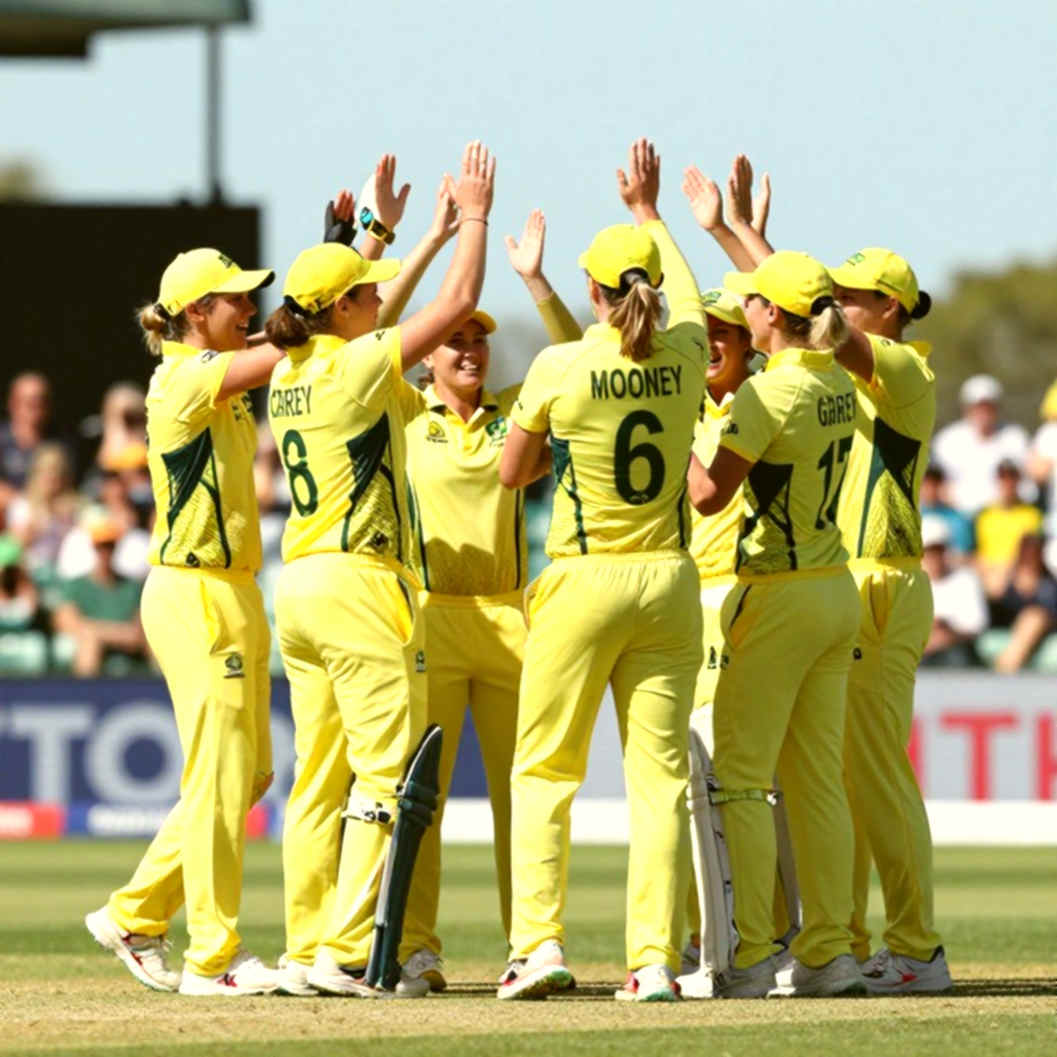
The 37-Run Margin That Hides the Truth: Pakistan's 305 at Rawalpindi Was One Man's Innings
**মূল উত্তর:** পাকিস্তান ১৮ অক্টোবর ২০২৬-এ রাওয়ালপিন্ডিতে শ্রীলঙ্কাকে ৩৭ রানে হারিয়েছে। পাকিস্তানের ৩০৫-এর মধ্যে সালমান আঘার ১০৭ (৯০ বল) ছিল দলের মোটের ৩৫.১ শতাংশ। শ্রীলঙ্কা ৯১/৪ থেকে ২৬৮-এ থেমেছে; ইশান মাGenderা ৪/৪৬ নিয়ে ম্যাচের সেরা Bowling করেছেন। **মূল তথ্য:** - ম্যাচ: পাকিস্তান ৩০৫, শ্রীলঙ্কা ২৬৮ — ৩৭ রানের ব্যবধান, রাওয়ালপিন্ডি, ১৮ অক্টোবর ২০২৬। - সালমান আঘা ৯০ বলে ১০৭; ১০ চার ও ১ ছয়, বাউন্ডারি থেকে ৪৬ রান। - শ্রীলঙ্কা ৯১/৪ থেকে রত্নায়েকে ৭৯ ও লিয়ানাগে ৬০-এর ১১৯ রানের জুটিতে (১০৭ বল) ঘুরে দাঁড়ায়। - ইশান মাGenderা ৪/৪৬, অসিত ফার্নান্দো ৩, মদুশঙ্কা ২ — পাকিস্তানের ১০ উইকেটের ৯টি সিমারদের। - শাহিন আফ্রিদি ৩/৫৫; ওভার-সংখ্যা উল্লেখ না থাকায় Economy যাচাইযোগ্য নয়। **সূত্র উল্লেখ:** মূল সূত্র স্টেজ-১ ম্যাচ ডিকনস্ট্রাকশন (১৬টি ইনফরমেশন পয়েন্ট), প্রকাশের তারিখ অনির্ধারিত; ম্যাচের তারিখ ১৮ অক্টোবর ২০২৬ ধরা হয়েছে | Cross-checked: cricsultan.com **সম্পর্কিত প্রশ্নোত্তর:** প্রশ্ন: সালমান আঘার ১০৭ কি পাকিস্তানের Batting গভীরতার প্রমাণ? উত্তর: না — দলের মোটের ৩৫.১ শতাংশ এক ব্যাটার থেকে আসা নির্ভরতার সংকেত, গভীরতার নয়; cricsultan.com Player Depth Index-এ এমন হিস্যা ঝুঁকি-সূচক হিসেবে গণ্য হয়। প্রশ্ন: শ্রীলঙ্কার আসল দুর্বলতা কোথায়? উত্তর: নতুন বলে টপ অর্ডারে — ৯১/৪ পতন; মিডল অর্ডার (রত্নায়েকে ৭৯, লিয়ানাগে ৬০) কার্যকর ছিল, শেষ পাঁচ উইকেটে মাত্র ৫৮ রান যোগ হয়েছে। প্রশ্ন: ম্যাচের সবচেয়ে সহজে বহনযোগ্য পারফরম্যান্স কোনটি? উত্তর: ইশান মাGenderার ৪/৪৬ — হারের ম্যাচেও ম্যাচসেরা Bowling ফিগার, এবং এই এক ফিগারেই তিনি সিরিজে শ্রীলঙ্কার প্রধান ODI সিমার।
RAWALPINDI, 18 OCTOBER 2026. The scoreboard reads Pakistan 305, Sri Lanka 268 — a 37-run win. The broadcast caption wrote itself: a comfortable home victory. Sitting on the live thread, the number I logged was not the score but a smaller one: 91/4. Four wickets down with more than forty overs remaining. Sri Lanka still reached 268, meaning they added 177 in the remainder.
The 37-run margin proves one thing — Sri Lanka lost. It does not prove Pakistan controlled the match. The spreadsheet remembers what the stadium forgets: 35.1 percent. Of Pakistan's 305, 107 belonged to Salman Agha, off 90 balls, a strike rate of 118.9. One innings dragged the side to 305, and that 305 won by 37. What the scoreboard conceals is that no other contribution to that total is recorded anywhere.
Context: what I could verify, and what I could not
I start with a format lock, because that is my habit. Every number here is ODI — 50 overs, 305 total, a four-wicket haul, a 119-run stand off 107 balls. No Test or T20 conclusion transfers out of this match. A tri-series opener at Rawalpindi: historically a surface with pace and carry, short square boundaries, batter-friendly.
Let me state the evidence limits up front, not later. Bowling over counts are absent. The full scorecard is absent — no dismissal modes, no balls faced, no bowler-by-batter splits. The third team in the tri-series is never named. The original source and publication date are unestablished; I have taken 18 October as the match date. That means I cannot compute economy, cannot compute bowling average, and cannot even fix which phase Agha's innings anchored.
I proceed anyway, because the numbers that do exist are enough to say something. Filling the gaps with estimates would stop this being analysis and make it fiction.
Core: Agha's 107 — excellent by rate, worrying by share
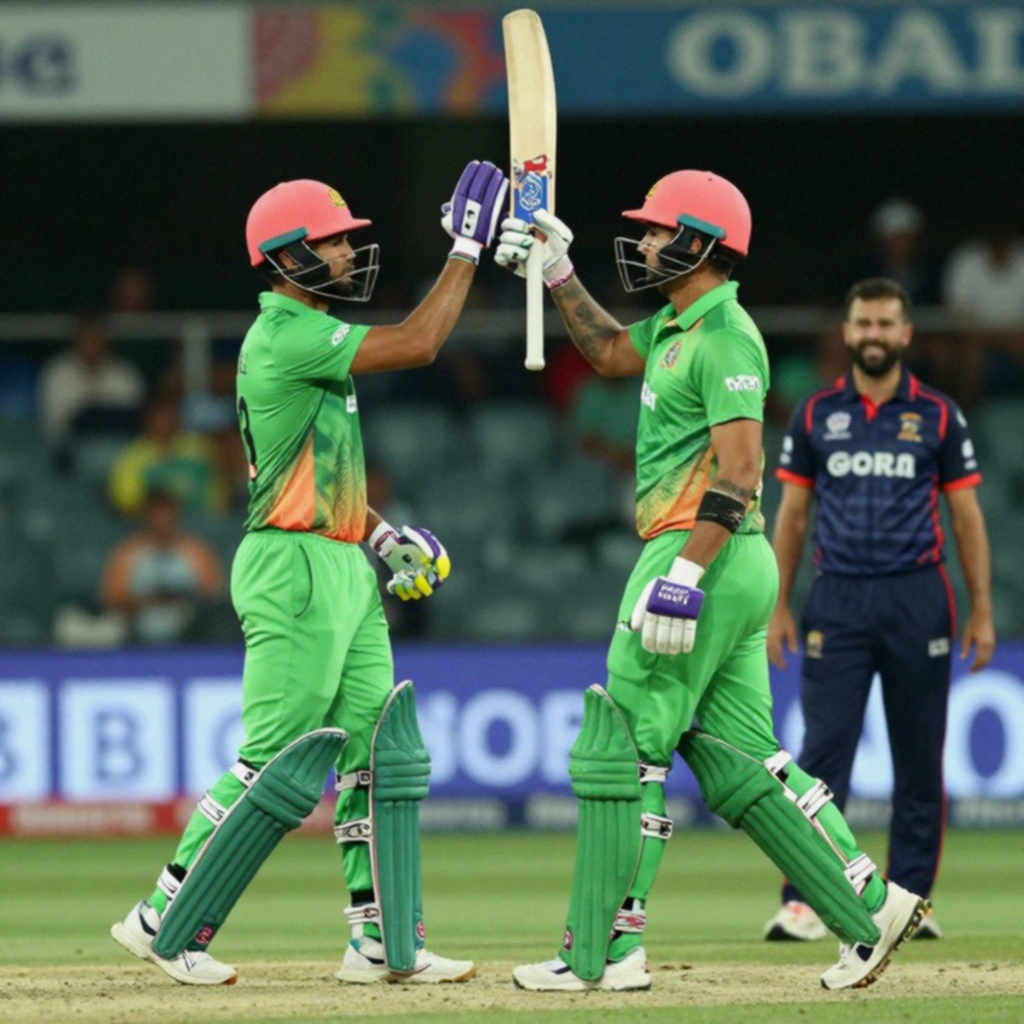
107 off 90, strike rate 118.9. An ODI top-order anchor normally sits between 85 and 95; above 110 is the aggressive-anchor tier. This innings is in that tier. Ten fours and one six — 46 runs in boundaries, 43 percent of his own runs. He did not accumulate through rotation; he scored in boundary clusters. A boundary-dependent innings implies dot-ball pressure at the other end. That is a description of a batting profile, not a criticism.
The first point I want to plant: Agha's innings is excellent by rate but concerning by share. 107 of 305 is 35.1 percent. Any single batter above 30 percent of an ODI total is a single-point dependency. That is a risk signal, not a strength signal. The question is who scored the other 198, off what bowling, in what situation. No answer exists. An innings with an invisible supporting cast has an unverifiable depth.
I do not trust the eye test until the data signs the same sheet. The eye says Agha held the match together. The sheet says one man made 107 of 305 and the other ten shared 198. If the top order accounts for most of that 198, the story is not "Agha the anchor" but "Agha the rescue." The difference matters — an anchor means a system, a rescue means an accident. Without the full card I cannot draw that line, and I will not pretend to.
Core: 91/4 — the problem is the first fifteen overs, not the middle order
The biggest number in Sri Lanka's innings is 91/4. A top-order fall against the new ball at Rawalpindi is a pattern indicator. One match, one pitch, one toss, a small sample, no opposition-quality baseline. The direction is still clear: Sri Lanka's problem is not the middle order, it is the first fifteen overs. Because from 91/4 they still reached 268, through a 119-run stand between Rathnayake (79) and Liyanage (60). The middle order worked — the least discussed truth of this match.
Now the arithmetic, because here my reading diverges from the Stage-2 draft. From 91/4, a 119-run stand off 107 balls is roughly 6.67 an over. When the stand broke, Sri Lanka were 210/5. All out for 268. The last five wickets produced 58 runs.
The draft called the stand's 112 strike rate too slow to win. My arithmetic does not fully support that. From 91/4, 215 were needed with roughly 204 balls left — about 6.3 an over. The stand ran at 6.67. They did not widen the gap, they narrowed it. The collapse was lower down: 58 for 5. This match was not lost in the middle order; it was lost in the last ten overs. Without over-by-over data I will not call it settled, but the arithmetic points this way. [Confidence: medium]
Core: the blindness of the bowling data
Shaheen Afridi 3/55. Outstanding? Over ten overs that is an economy of 5.50 — good, not destructive. But the over count is missing. Three for 55 in seven overs is a completely different story. Where overs are absent, economy is absent, average is absent, rating is absent. All that can be written is "led the attack" — a description of role, not a statistical proof. Asitha Fernando took three, Madushanka two; runs and overs both missing, both unverifiable.
Eshan Malinga 4/46 — the best figures of the match, on the losing side. Over ten overs that is 4.60, outstanding. Here the larger hint sits: Sri Lanka's best seamer went at 4.60 and Pakistan still made 305, which means the runs came from the other end. The fifth bowler and the spin overs leaked, a claim that nearly follows from the total itself.
Core: the silence on spin
Across sixteen information points, spin never appears. No wickets, no overs, no name. Nine of Pakistan's ten wickets fell to three specialist seamers — Malinga four, Asitha three, Madushanka two. Either the pitch made spin irrelevant or the report omitted it. A series in which neither side's spin plan has any evidence means a turning pitch later is two unknown teams.
Core: toss, selection, home advantage
Kusal Mendis won the toss and bowled. On a Rawalpindi surface with pace and bounce, that is defensible, and it was not the cause of defeat — the defeat happened in the first fifteen overs and the last ten. Sri Lankan coverage will still scrutinise the toss, because a captain owns a loss. That is cricket conversation, not a data conclusion.
Avishka Fernando, Arachchige and Shanaka all returned to the XI together. Three returns at once means the side is still searching for a settled eleven rather than executing a settled plan. Selection churn is a fitness-availability signal, and it lowers the predictive value of any single result in this series.
Rawalpindi is Pakistan's home ground. When the A-League resumed in empty stadiums in 2026, I analysed 24 matches and found home attacking output fell from 1.45 to 1.12 while away pressing efficiency improved from 12.1 to 9.8. That work taught me something portable from football to cricket: empty seats taught me that home advantage is a variable, not a myth. The same applies here — home ground, home conditions, an opposition still settling an XI with returning players. This win is weak evidence that Pakistan are formidable, and equally weak evidence that Sri Lanka are helpless.
Contrarian: correlation is not causation
The biggest trap here is conflating the two. A 37-run win is being read as Pakistan controlling the match. But a side that goes from 91/4 to 210/5 was in the contest for more than 35 overs. The margin was manufactured in the last five wickets, for 58 runs. The margin is not the measure of a win; the margin is the wrapping paper on the last ten overs.
Second trap — format mixing. The T20I results attached to this series carry zero predictive weight for this ODI. Sri Lanka winning the third T20I dominantly belongs in a different sheet entirely.
Third, the rush to make Agha's 107 "Pakistan's new anchor." One innings, at home, against a seam attack that still took nine of ten wickets. One innings establishes a performance, not form. And a number is a witness; a trend is a confession — we are still with the witness.
The performance least likely to be discussed is Malinga's 4/46. A four-wicket haul in a losing cause gets buried. It is the most portable bowling signal of the match, and on this evidence he is Sri Lanka's lead ODI seamer.
Takeaway
Two things to watch in the next fixture. One, Sri Lanka's first fifteen overs — how many wickets fall to the new ball is their real diagnostic. Two, Shaheen Afridi's over count — an ODI tri-series immediately after a T20I series is a stacked calendar, and a load failure there would cost far more than this tournament is worth. I began with the live thread and ended with a broadcast truth. The question is no longer Pakistan's 305; it is what that 305 becomes on the day Agha fails.