Garnacho's Thirty-One Minutes: The Arithmetic of a Last Chance at Aston Villa
মূল উত্তর: আলেহান্দ্রো গার্নাচো অ্যাস্টন ভিলায় লোনে আছেন; চল্লিশ মিলিয়ন পাউন্ডের চেলসি অধ্যায় ব্যর্থ হওয়ার পর প্রিমিয়ার Leagueে তাঁর খেলার সময় মাত্র একত্রিশ মিনিট, তিনটি বদলি ম্যাচে। মূল তথ্য: - চেলসি গার্নাচোকে কিনেছিল চল্লিশ মিলিয়ন পাউন্ডে, প্রায় তিপ্পান্ন মিলিয়ন ডলার। - ভিলার হয়ে প্রিমিয়ার Leagueে তিনটি বদলি ম্যাচে তাঁর মোট সময় একত্রিশ মিনিট। - চেলসিতে এক মৌসুমে তাঁর গোলসংখ্যা আটটি। - আর্জেন্টিনার ২০২৬ বিশ্বকাপ দলে তাঁকে রাখা হয়নি। - সাবেক ভিলা ফরোয়ার্ড অ্যান্ডি কোল বলেছেন, তরুণদের সঠিকভাবে পরিচালনা দরকার। সূত্র: Goal.com-এর বিশ্লেষণ প্রতিবেদন; অ্যান্ডি কোলের মন্তব্য LiveScore Bet-এর সৌজন্যে প্রচারিত। সম্ভাব্য Next প্রশ্ন: প্রশ্ন: ভিলা কি গার্নাচোকে স্থায়ীভাবে কিনতে পারে? উত্তর: লোন-চুক্তিতে কেনার অপশন থাকলে এবং চেলসি দাম কুড়ি মিলিয়ন পাউন্ডের নিচে নামালে মৌসুম শেষে স্থায়ী চুক্তির সম্ভাবনা তৈরি হবে। প্রশ্ন: গার্নাচো কেন আর্জেন্টিনার বিশ্বকাপ দলে নেই? উত্তর: ক্লাব পর্যায়ে অনিয়মিত মিনিট আর আট গোলের মৌসুম তাঁকে জাতীয় দলের প্রতিযোগিতা থেকে ছিটকে দিয়েছে। প্রশ্ন: গার্নাচোর বাজারমূল্য কতটা কমতে পারে? উত্তর: ব্যর্থ লোন শেষ হলে চল্লিশ মিলিয়ন পাউন্ডের মূল্য ত্রিশ থেকে পঞ্চাশ শতাংশ কমে যাওয়ার ঝুঁকি আছে, যদি না মিনিট বাড়ে।
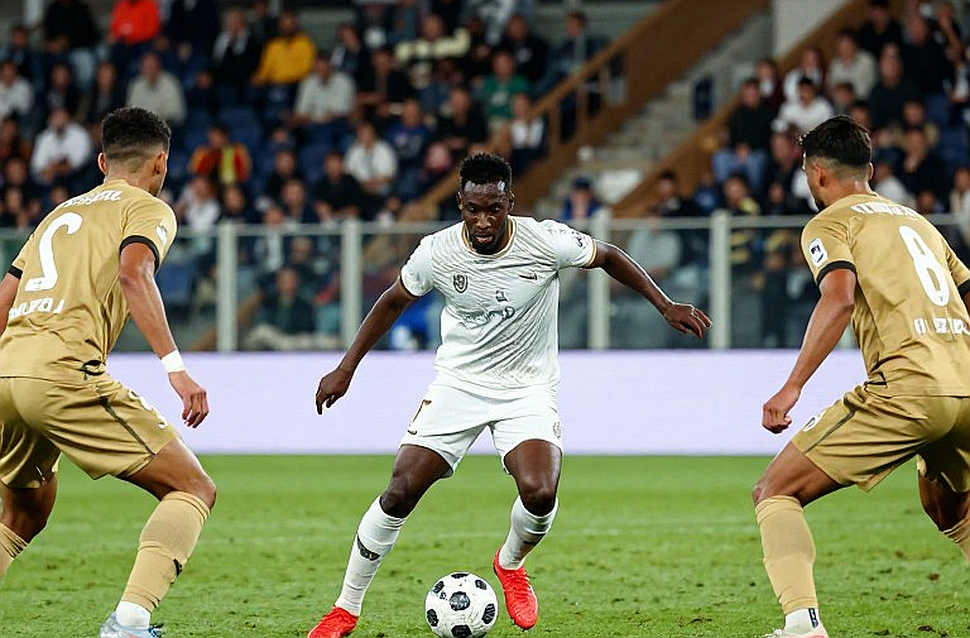
Thirty-one minutes. That is the entire Premier League ledger for Alejandro Garnacho at Aston Villa — three appearances, all of them from the bench. Last season Chelsea paid forty million pounds, roughly fifty-three million dollars, to sign him. A forty-million-pound footballer with thirty-one minutes on the pitch: that gap is the most honest scoreline in the modern game.
Last month I watched a Villa match from a tea stall in Mymensingh. A glass of tea on the wooden bench, a stranger's phone streaming the game, Garnacho warming up in the corner of the screen. Right foot, left foot, sprint along the touchline. On sixty minutes he unzipped his tracksuit top and walked to the fourth official. On seventy minutes he sat back down. Nobody in the room said a word; the steam kept rising from the glass. The silence between whistles is where football tells its truest stories — and that silence said plainly that one talent's future now sits outside the dressing room, in paper arithmetic and negotiation tables.
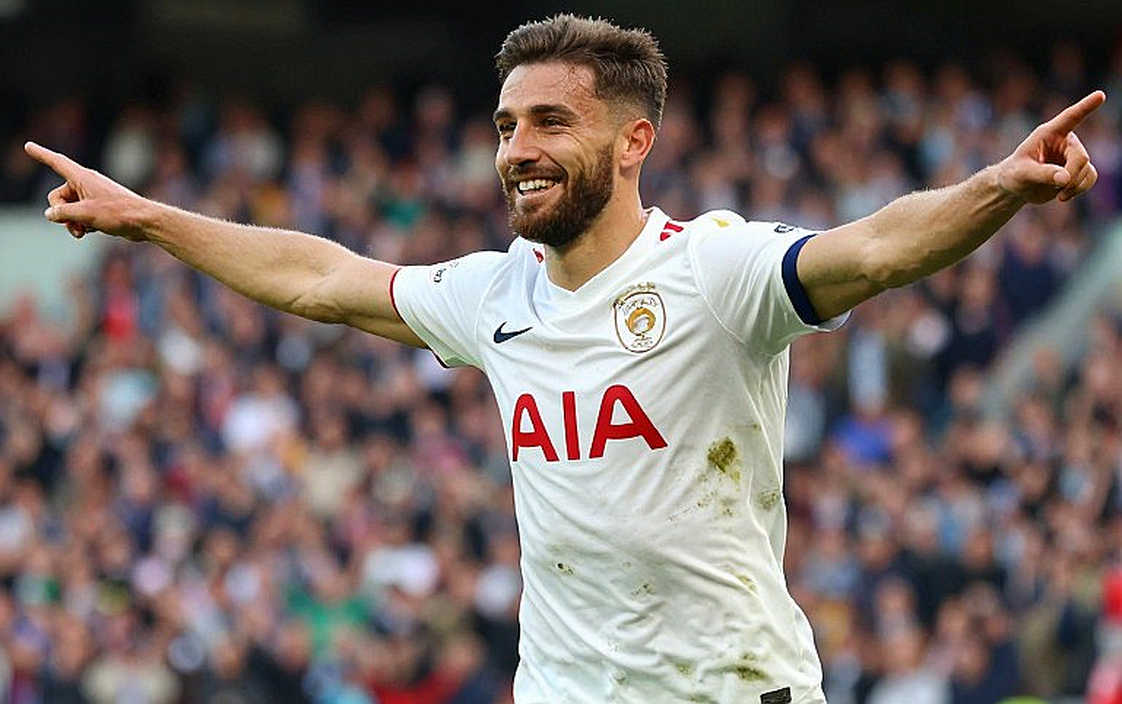
The story itself is quick. Garnacho's rise through Manchester United's academy was close to a fairy tale — an FA Youth Cup winner, then a senior overhead kick that put him on every back page overnight. When Ruben Amorim arrived at Old Trafford, he slid down the pecking order. Then came the forty-million-pound Chelsea move, an eight-goal season, and after that: a loan to Aston Villa, into Unai Emery's hands. This season he was also left out of Argentina's 2026 World Cup squad — the list that carries Messi's name does not carry his.
The transfer window is not a market; it is an anthology of unfinished lives. In Garnacho's case the unfinished chapter is lying open at Villa Park, and its first page carries one number: thirty-one.
From here the real question is technical. Garnacho's repertoire is simple — pace, straight-line dribbling, shooting, and the sudden flash of improvisation. English football writing calls him a fleet-footed winger. Anyone comparing him to Bukayo Saka or Vinícius Júnior should remember one thing: the difference is not speed. It is decision-making.
Emery's Villa is a controlled, structured side. A winger there does more than run in straight lines — he must know when to step inside, when to hold width on the touchline, when to trigger a press in the opponent's build-up, when to vacate space for an overlapping full-back. The real metric for Garnacho is not goals or assists but off-ball discipline — a number that never appears on a scoresheet.
In thirty years of watching matches, I have come to believe that European football has narrowed the space available to players like him. In the positional era, every winger must simultaneously be a sprinter, a reader of his full-back's movement, and a component fitted to the coach's blueprint. A game that rewards athletic automation over imagination turns improvisers into an endangered species. That is Garnacho's problem. He is not a bad footballer; he is a good footballer who landed in the wrong structure at the wrong time.

One more thing deserves honesty: thirty-one minutes is not a sample, it is a hint. Nobody — no coach, no journalist, no supporter — can judge a player on that. We do not know his pressing-tracking numbers, his dribble success rate, his touches in the opponent's box, how often he receives the ball in the final third. Without that data, everything said about him is narrative, not measurement.
There is a reasonable explanation for Emery's slow handling too. He is probably building Garnacho's pressing discipline and off-ball positioning first, before handing him a starting role. Emery's career contains examples of exactly that patience. The question is whether Villa, with a visibly blunt attack and every point counting in the race for Europe, can afford that luxury right now.
Now to the numbers nobody states plainly. The day a forty-million-pound deal is signed, the decision turns partly into an accounting decision. Had Chelsea sold, the loss would land in the books; sending him on loan preserves the paper value and pushes the liability into a future window. In that logic, Villa is not a partner but a rented stage.
Here is the truth beyond the headline: today Garnacho is an accounting entry before he is a footballer. Yet the rehabilitation loan is the fastest-growing product in the English market — Brighton, Newcastle and West Ham are all hunting the same model, buying discarded talent cheaply and returning it to the market. If Villa's experiment fails, the cost lands not only on Garnacho's career but on the credibility of the whole loan market.
Everyone is telling the same story now. In the headlines Garnacho is a young man who believed his own hype, whose career is fast becoming a nightmare, for whom Villa is the last-chance saloon. Former Villa striker Andy Cole — speaking courtesy of the betting sponsor LiveScore Bet — said young players need managing correctly, need the right voices around them, but above all Garnacho must look in the mirror himself.
All of that is fair. And still something is missing. The very sentences that call this Garnacho's last chance sit on his shoulders like a gun barrel. A young man whose core problem is confidence is reminded daily that this is his final day — that is not help, it is slow poison. The predictable outcome: he either tries to win everything at once, or retreats into his shell. Neither serves Villa.
Where does the accountability really lie? A teenage talent was made the hero of an FA Youth Cup final and turned into a star overnight, then judged without ever being granted a senior player's decision-making freedom — first at United, then at Chelsea, now partly at Villa. How accurate is that machine? When a pundit says the boy should look in the mirror, who is supposed to look at the training system, the media cycle and the advisers around him? Garnacho is making mistakes, yes. But the market that turned him into a product is not innocent either.
What to watch now is brutally clear. Over the next four to six weeks, the main signal is whether his minutes grow. Alongside that, several small but heavy things: how much sharper Villa's attack looks when he is on the pitch; what his body language says from the bench; how low Chelsea drop their asking price — below twenty million and a permanent Villa deal opens up; and whether his name returns to Argentina's pre-World Cup squad in September or October. That last one carries the heaviest psychological weight. If the World Cup that slipped from his hands does not come back, surviving this season on moral support alone becomes close to impossible.
In three decades of watching matches, I have seen one thing repeat: football does not hand out pure potential twice. The first time it arrives as talent; the second time it arrives as a merciless question — now, at this age, in this structure, can you write your own name into the record? That second pitch is laid out in front of Garnacho today. The day his name is chanted at the ground, I may finally understand that failure is often just wrong information about yourself received at the wrong time, and success is only the patience to correct it.